
If you have been shopping for a new heating or cooling system, you have probably heard the words heat pump, ductless, and mini split used interchangeably. They are related, but they are not all the same thing. So what is a heat pump? What is a ductless system? What is a mini-split?
This guide breaks it all down in plain language so you can make a confident decision for your home in Smithville and the surrounding Niagara region.
What a Heat Pump Is (In Simple Terms)
A heat pump is a heating and cooling system that moves heat instead of creating heat by burning fuel.
- In winter, it pulls heat from the outdoor air (yes, even when it is cold) and moves it inside.
- In summer, it reverses direction and moves heat from inside your home to the outdoors, just like an air conditioner.
Think of it like a “two way air conditioner” that can cool your home and also heat it efficiently.
How a Heat Pump Works
Heat pumps work using the same basic technology found in refrigerators and air conditioners, called the refrigeration cycle. The key parts are:
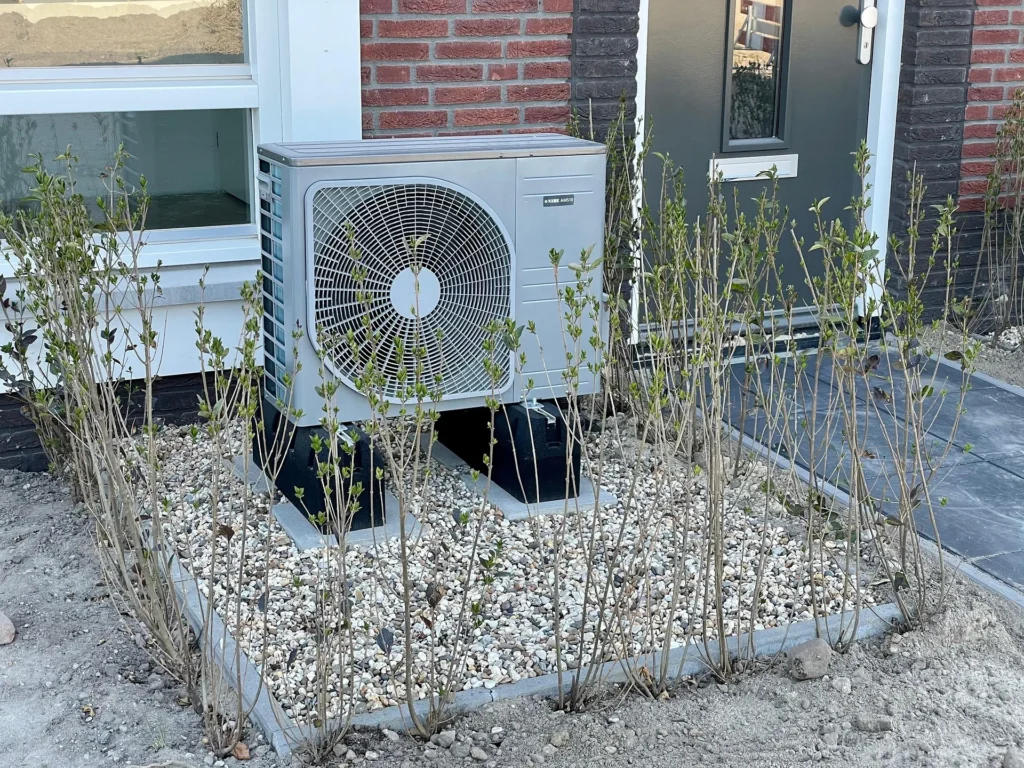
- Outdoor unit (compressor and coil)
- Indoor unit (coil inside an air handler, furnace coil, or ductless head)
- Refrigerant (the fluid that carries heat)
- Reversing valve (the part that lets the system switch between heating and cooling)
What happens in heating mode
- The outdoor unit absorbs heat energy from the outside air into the refrigerant.
- The compressor raises the refrigerant’s temperature and pressure.
- The indoor unit releases that heat into your home.
What happens in cooling mode
It flips, and heat is pulled from indoors and released outside.
Why Heat Pumps Are So Efficient
With a furnace, you pay for fuel to create heat. With a heat pump, you pay mostly for electricity to move heat.
That is why heat pumps can deliver more heating energy than the electrical energy they use, especially in moderate temperatures.
Real world efficiency depends on:
- Outdoor temperature
- The specific model (standard vs cold climate)
- Proper sizing and installation
- Ductwork quality (for ducted systems)
- Your home’s insulation and air sealing
Types of Heat Pumps
1) Air Source Heat Pumps
These are the most common in Ontario. They move heat between your home and the outdoor air.
You will see two main styles:
- Ducted heat pumps (use your ductwork)
- Ductless heat pumps (no ductwork, use indoor wall or ceiling units)
2) Cold Climate Heat Pumps
A “cold climate” heat pump is still an air source heat pump, but designed to maintain stronger heating capacity at lower outdoor temperatures.
In Southern Ontario, cold climate models can be a great fit when you want to rely more on the heat pump through the winter and reduce backup heat use.
3) Ground Source Heat Pumps
Also called geothermal. They use the steady temperature in the ground. They can be extremely efficient, but installation is more involved and typically costs more up front.
What “Ductless” Means
Ductless simply means the system does not use ductwork to distribute air.
Instead, it uses one or more indoor units (often called “heads”) installed in the spaces you want to heat and cool.
Common indoor unit styles:
- High wall units
- Ceiling cassette units
- Slim ducted concealed units (still considered ductless in many cases because they do not use your home’s full duct system)
What a Mini Split Is
A mini split is usually a ductless heat pump system made up of:
- One outdoor unit
- One or more indoor units
“Split” refers to the system being split into indoor and outdoor components.
Single zone vs multi zone
- Single zone mini split: 1 outdoor unit + 1 indoor unit (great for one area like an addition or finished basement)
- Multi zone mini split: 1 outdoor unit + multiple indoor units (good when you want room by room control)
Heat Pump vs Ductless vs Mini Split (Quick Clarification)
- Heat pump: the technology that heats and cools by moving heat
- Ductless: the delivery method (no ducts)
- Mini split: a common type of ductless heat pump system (outdoor plus indoor units)
So yes, most mini splits are heat pumps, and most mini splits are ductless, but not all heat pumps are ductless.
When a Ducted Heat Pump Makes Sense
A ducted heat pump is a great option if:
- You already have ductwork in good shape
- Your home heats fairly evenly room to room
- You want a single, familiar thermostat controlled system
- You want heating and cooling throughout the whole house
Ducted heat pumps can be installed as:
- A dedicated heat pump air handler system, or
- A heat pump paired with an existing furnace (often called a hybrid or dual fuel style setup, even when the backup is electric)
When a Ductless Mini Split Makes Sense
Ductless systems shine when:
- Your home has no ductwork (older homes, some rural properties, many renovations)
- You have hot or cold spots you cannot fix easily
- You want zoning, meaning different temps in different rooms
- You are finishing a basement, adding a room, or building an addition
- You want a highly efficient system for a specific area like a workshop or garage (where appropriate)
Pros of Heat Pumps (Why Homeowners Like Them)
Lower operating costs in many situations
Especially compared to electric baseboards, oil, propane, or older inefficient equipment.
One system for heating and cooling
No need for separate furnace and air conditioner in many setups.
Better comfort
Heat pumps deliver steady heat. Many people find it feels less “blast furnace” and more even.
Zoning options (especially with ductless)
You can heat and cool the rooms you actually use.
Safer and cleaner operation
No flame, no combustion gases inside the home.
Cons and Tradeoffs to Know Up Front
- Cold weather performance varies: Not all heat pumps are equal. Some need backup heat sooner than others.
- You may still need backup heat: In Ontario, many systems are designed with backup heat (electric or gas) for extreme cold or demand spikes.
- Up front cost can be higher: Especially for cold climate models or multi zone ductless systems.
- Design and installation quality matters a lot: Sizing, refrigerant charge, line set practices, airflow, and placement all matter. A great brand can perform poorly if installed poorly.
Common Heat Pump Myths (And the Truth)
Myth: Heat pumps do not work in winter.
Truth: They work in winter. The real question is how well a specific model performs at lower temperatures, and what backup heat strategy makes sense for your home.
Myth: Ductless systems are only for cottages or bonus rooms.
Truth: Many full homes are comfortably heated and cooled with ductless systems, especially when zoned correctly.
Myth: Bigger is better.
Truth: Oversizing can reduce comfort and efficiency. Proper sizing is one of the biggest factors in performance.
What We Look At When Helping You Choose the Right System
At Paladin Mechanical Inc. in Smithville, we focus on matching the system to your actual home, not just selling equipment. When we assess a heat pump or ductless mini split, we look at:
- Home layout and square footage
- Insulation levels and air leakage
- Window sizes and sun exposure
- Existing ductwork condition (if applicable)
- Electrical capacity and panel space
- Comfort issues you are trying to solve (hot rooms, cold bedrooms, damp basement, etc.)
- Your goals (lower bills, better comfort, future proofing, replacing aging furnace and AC)
Maintenance Tips for Heat Pumps and Mini Splits
To keep a heat pump running efficiently:
- Clean or replace filters regularly
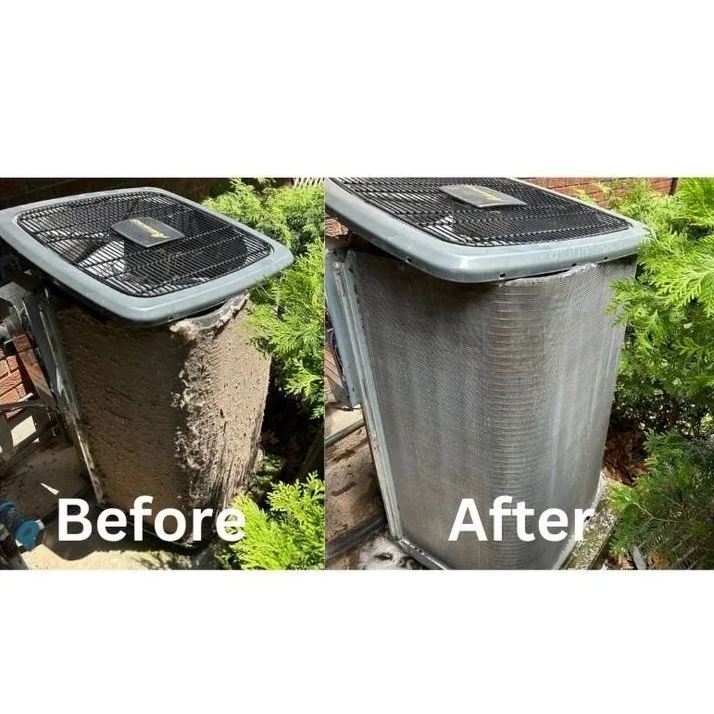
- Keep the outdoor unit clear of snow, ice, leaves, and debris
- Do not block airflow around indoor heads
- Book professional maintenance periodically to check coils, electrical components, and refrigerant performance
A well maintained heat pump runs better, lasts longer, and costs less to operate.
The Bottom Line
- A heat pump is an efficient way to heat and cool your home by moving heat.
- A ductless system is a way of delivering that heating and cooling without ducts.
- A mini split is the common style of ductless heat pump with an outdoor unit and one or more indoor units.
If you are considering a heat pump in Smithville or nearby communities, the best next step is a proper assessment so the system is sized and designed for your home and your comfort goals.
Want Help Picking the Right Heat Pump or Mini Split?
Paladin Mechanical Inc. is based in Smithville, Ontario, and we help homeowners make sense of their options, whether that is a ducted heat pump, a ductless mini split, or a hybrid setup that fits Ontario winters.