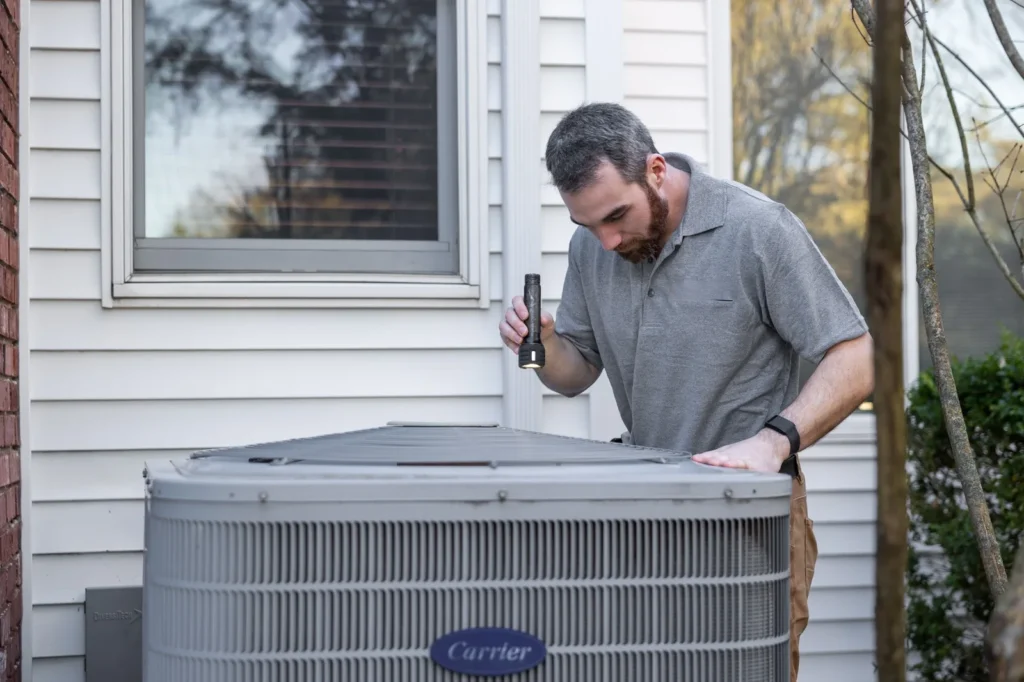
HVAC maintenance is a broad term. What makes sense for one furnace, air conditioner, heat pump, or hydronic system may not be the same for another.
The work can depend on the equipment, its age, its condition, how it has been performing, the time of year, and whether the homeowner has noticed a specific problem. A useful maintenance visit should be based on the actual system in front of the technician, not a generic checklist that assumes every home is the same.
This article is a general guide to what HVAC maintenance might include. It is not a fixed Paladin Mechanical maintenance checklist, and the exact scope of a visit can vary.
Summary
- HVAC maintenance might include checking controls, electrical components, airflow, filters, drainage, cleanliness, and general system operation.
- Fuel-burning equipment could involve additional checks related to venting, combustion, ignition, and safety controls.
- Air conditioners and heat pumps may involve checks of coils, condensate drainage, electrical components, airflow, and cooling performance.
- The exact work depends on the equipment and what the technician finds.
- Maintenance can help identify developing problems, but it cannot guarantee that a system will never break down.
What Is HVAC Maintenance Trying to Accomplish?
Maintenance is usually about giving the system a chance to be inspected while it is still operating, rather than waiting until something fails completely.
A technician may be looking for signs of wear, loose or damaged components, restricted airflow, drainage issues, unusual operating conditions, or other problems that could affect comfort, reliability, or safety. Some items may only need observation. Others could require cleaning, adjustment, further testing, or a separate repair recommendation.
That is different from treating every maintenance appointment as an excuse to replace equipment. If a system is operating properly and no significant problem is found, there may be very little to recommend beyond normal upkeep.
What Might an HVAC Maintenance Visit Include?
There is no single list that applies to every system, but the following are common areas a technician may look at depending on the equipment.
Airflow and Filters
Restricted airflow can affect comfort and system performance. A maintenance visit might involve checking the condition of the filter, looking for obvious airflow restrictions, and paying attention to whether the system appears to be moving air normally.
If there are signs of uneven temperatures or weak airflow, the issue may go beyond routine maintenance and could involve ductwork, dampers, blower performance, or another part of the system.
Thermostats, Controls, and Electrical Components
A technician could check whether the thermostat and normal controls are communicating with the equipment properly. Depending on the system, maintenance may also involve inspecting accessible electrical connections, relays, contactors, capacitors, motors, or other components for signs of wear or abnormal operation.
The purpose is not to replace parts simply because they are older. It is to identify something that is actually loose, damaged, failing, or operating outside a reasonable condition.
Cleaning Where It Is Needed
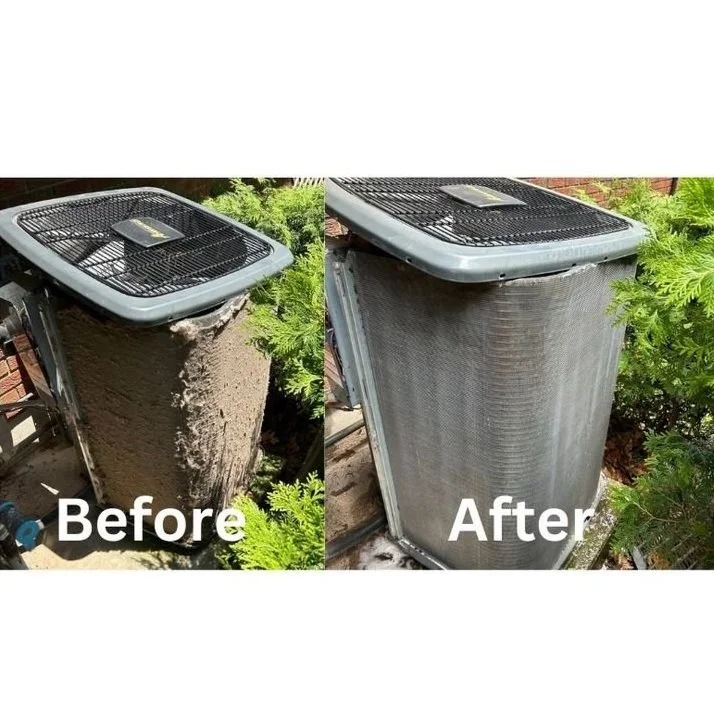
Some equipment collects dust, debris, or outdoor material as it operates. Maintenance might involve cleaning accessible components where buildup is affecting operation or where cleaning is part of the appropriate service for that equipment.
That could mean very different work on a furnace, an outdoor air-conditioning unit, a heat pump, or another system. Cleaning should be based on what is present, not performed blindly.
Condensate and Drainage
Air conditioners, high-efficiency furnaces, and some other HVAC equipment create condensate. A maintenance visit could include checking visible drain lines, traps, pumps, or other drainage components for signs of blockage, leakage, or poor drainage.
A small drainage problem can create a surprisingly large mess if it goes unnoticed.
Heating Maintenance Can Look Different From Cooling Maintenance
A furnace or heating system has different components and risks than an air conditioner.
On fuel-burning equipment, maintenance might involve inspection or testing related to ignition, burners, flame operation, venting, combustion, safety controls, or other components where appropriate. Those are not homeowner DIY checks. Gas, combustion, venting, and internal electrical work should be handled by someone qualified to work on the equipment.
A central air-conditioning system could involve checks of the outdoor unit, indoor coil area, airflow, condensate drainage, electrical components, and general cooling performance. A heat pump may involve many of the same cooling-side components while also operating as part of the home’s heating system.
The exact testing needed depends on what the system is doing. Refrigerant-related measurements, for example, may be useful in some situations but are not necessarily required as a ritual on every maintenance visit.
Why the Exact Maintenance Checklist Can Change
Two neighbouring homes can have completely different HVAC needs.
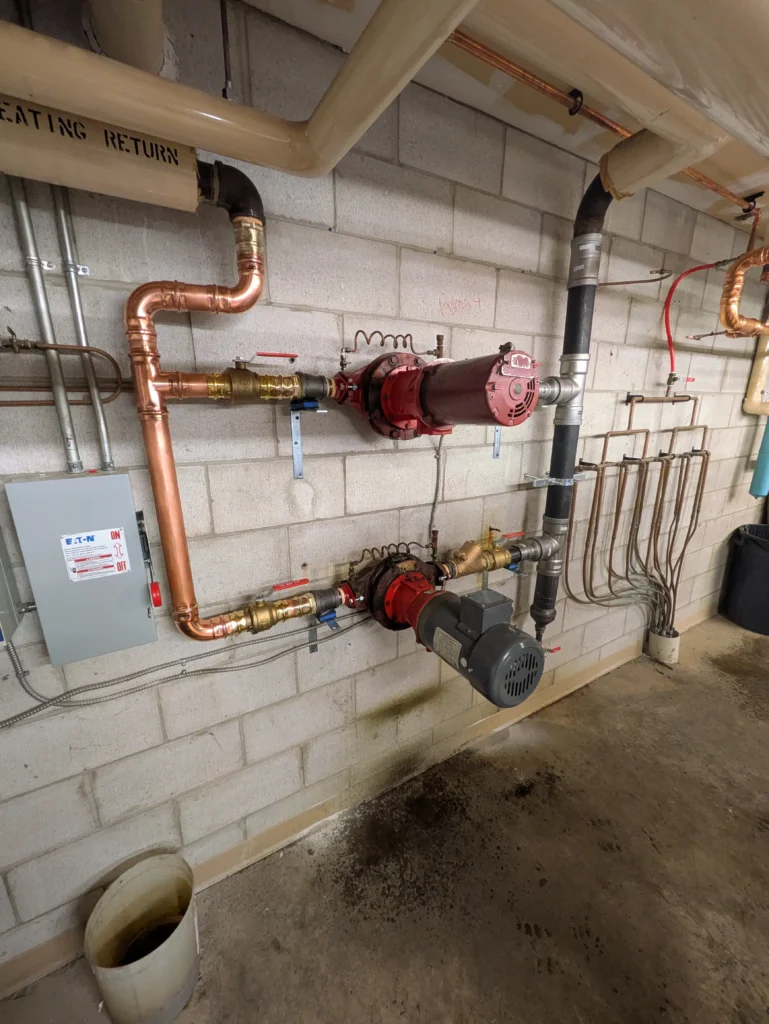
One may have a newer high-efficiency furnace and central air conditioner. Another may use a heat pump. A third may have older equipment, a boiler, multiple zones, unusual ductwork, or a history of drainage and airflow problems.
The useful scope of maintenance can also change when a homeowner reports a symptom. A system that is operating normally may need a straightforward inspection and service. A system that has started making a new noise, short cycling, struggling to maintain temperature, or tripping a breaker may need diagnostic work rather than routine maintenance.
Maintenance Is Not the Same as a Repair
Maintenance can uncover a problem, but finding a problem does not mean the repair itself is automatically included in the maintenance visit.
If a technician finds a failed component, a leak, an electrical fault, a combustion concern, or another issue that needs correction, the next step may be to explain the finding and discuss repair options.
A good maintenance visit should leave the homeowner with a clearer picture of the system’s condition, not a vague list of things they are pressured to buy.
What Maintenance Cannot Promise
Regular maintenance can help catch developing issues and keep obvious problems from going unnoticed. It can also give a technician a chance to see how the equipment is operating before the system is under the heaviest seasonal load.
It cannot guarantee that a motor, control board, igniter, compressor, pump, or other component will not fail later.
Mechanical equipment still wears. Parts can fail unexpectedly. Maintenance is useful because it improves the chance of finding some problems earlier, not because it makes breakdowns impossible.
What Can Homeowners Do Between Service Visits?
There are a few simple things homeowners can usually do without opening or repairing the equipment.
- Check and change or clean the HVAC filter as appropriate for the system.
- Keep supply and return vents reasonably clear.
- Keep the area around indoor equipment accessible.
- Keep leaves, grass, snow, and other debris from blocking outdoor equipment.
- Pay attention to new noises, smells, leaks, error codes, or changes in comfort.
- Do not ignore repeated breaker trips, gas smells, carbon monoxide alarms, or other safety concerns.
If something has clearly changed, mentioning it when booking service can help the technician understand that the visit may involve more than routine maintenance.
How Often Should HVAC Maintenance Be Done?
There is not one universal schedule that fits every system. Manufacturer guidance, equipment type, usage, age, warranty requirements, operating environment, and past problems can all affect the right interval.
Some homeowners choose seasonal or annual maintenance so equipment is checked before a heavy heating or cooling period. Other systems or situations may call for a different approach.
If you are unsure, the useful question is not simply, “How often does everyone do this?” It is, “What makes sense for this equipment and how it is being used?”
What Should You Get From a Good Maintenance Visit?
You should come away understanding what was looked at, whether anything unusual was found, and whether there is a reason to do something next.
If a repair is recommended, the explanation should connect the recommendation to an actual condition or symptom. If replacement is raised, you should understand why replacement is being discussed rather than feeling as though the maintenance appointment turned into a sales call.
Paladin Mechanical’s broader approach is to diagnose first and explain the options. For homeowners in Smithville, Grimsby, Beamsville, and surrounding Hamilton-Niagara communities, you can learn more about HVAC maintenance and air quality services or ask what may be appropriate for your system.
Key Takeaways
- HVAC maintenance can vary significantly by equipment and condition.
- A visit might involve airflow, filters, controls, electrical components, drainage, cleaning, and general operating checks.
- Heating, cooling, heat-pump, and hydronic systems may require different types of inspection or testing.
- Maintenance can identify developing issues, but it cannot guarantee that equipment will not fail later.
- A maintenance appointment should help you understand the condition of the system, not automatically become a replacement sales pitch.
If you have questions about maintaining your heating or cooling system, contact Paladin Mechanical to discuss the equipment and what kind of service may make sense.