If your boiler is running but the house still feels cold, only one part of the home is heating, or the system will not start at all, it does not automatically mean the boiler needs to be replaced.
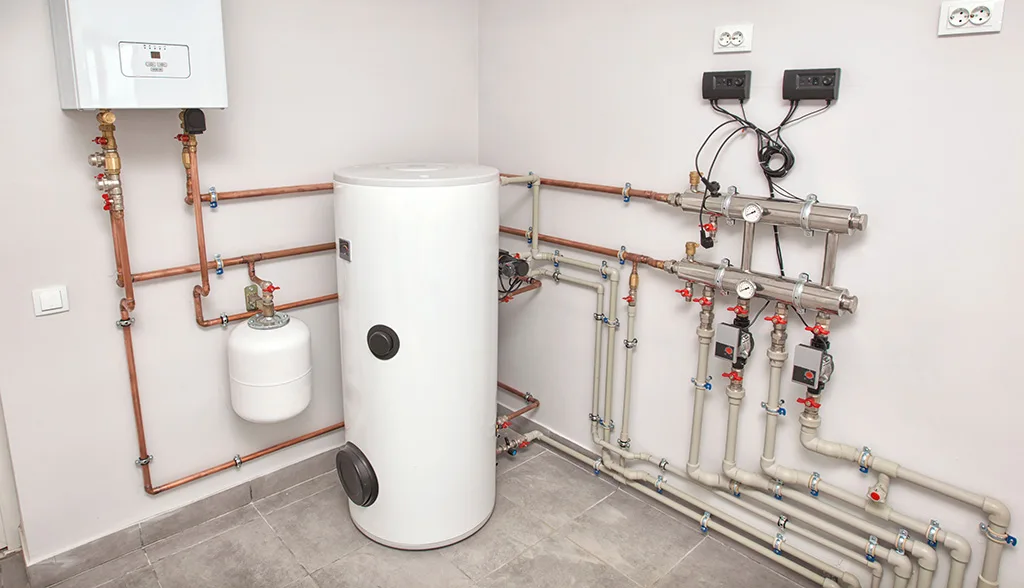
Hydronic heating systems have several parts working together: the boiler, thermostats, zone controls, pumps, valves, piping, and the radiators or baseboards that deliver heat. A problem anywhere in that chain can look like a boiler problem.
Summary
If your boiler is not heating, start with the simple checks: confirm the thermostat is calling for heat, see whether the problem affects the whole house or only one zone, check the breaker, and look for any error code or warning light on the boiler.
Do not open gas, combustion, venting, pressurized-water, or internal electrical components just to keep troubleshooting.
If you smell gas, a carbon monoxide alarm sounds, there is a significant leak, the breaker keeps tripping, or the boiler is making unusual burning or combustion-related smells, stop troubleshooting and deal with the safety issue first.
Is the Whole House Cold, or Just One Area?
This is one of the most useful things to figure out before assuming the boiler itself has failed.
If every heating zone in the house is cold, the problem may be with the boiler, its controls, power, ignition, or another central part of the system.
If one zone is cold but other areas are heating normally, the boiler may be doing its job. The problem could instead involve the thermostat, a zone valve, circulator, control, airflow around a radiator, or another part of the distribution system.
Knowing whether the problem is system-wide or limited to one area gives a technician a much better starting point.
Check the Thermostat First
Make sure the thermostat is set to heat and the temperature is set above the current room temperature.
If the thermostat uses batteries, check them. If you have several thermostats controlling different zones, compare them. If one zone responds and another does not, that is useful information.
Do not assume a blank thermostat or a cold room means the boiler has failed. Sometimes the boiler never received a proper call for heat in the first place.
Check the Boiler Breaker and Normal Controls
Boilers need electrical power even when they burn natural gas or another fuel.
Check the electrical panel to see whether the boiler circuit has tripped. If it has, resetting it once may be reasonable. If it trips again, leave it off and call for service. Repeated breaker trips can indicate an electrical fault and should not be treated as a nuisance reset.
You can also look at the normal user-facing controls on the boiler. If the display is blank when it would normally be on, that can be helpful information for the technician.
Look for an Error Code or Lockout Message
Many modern boilers display a fault code when the system shuts itself down.
Write the code down before resetting or turning the boiler off. A fault code does not always tell you exactly which part needs repair, but it can show what condition the boiler detected.
Repeatedly resetting a boiler without understanding why it is locking out is not a repair. If the fault comes back, the cause needs to be diagnosed.
Pay Attention to Pressure, Leaks, and Unusual Noises
If your boiler has a normal visible pressure gauge, you can note what it reads, but avoid adjusting system pressure unless you are qualified and familiar with the equipment.
Visible water around the boiler or piping is also worth noting. A leak can come from a valve, fitting, pump, relief component, piping connection, or the boiler itself, and the source matters.
Gurgling, banging, or other unusual noises can point to circulation, air, pressure, or other hydronic-system problems. They are useful symptoms to report, but they are not a reason to start opening a pressurized heating system.
The Boiler Can Be Working While Heat Still Is Not Reaching the Room
A boiler creates heat, but that heat still needs to move through the system.
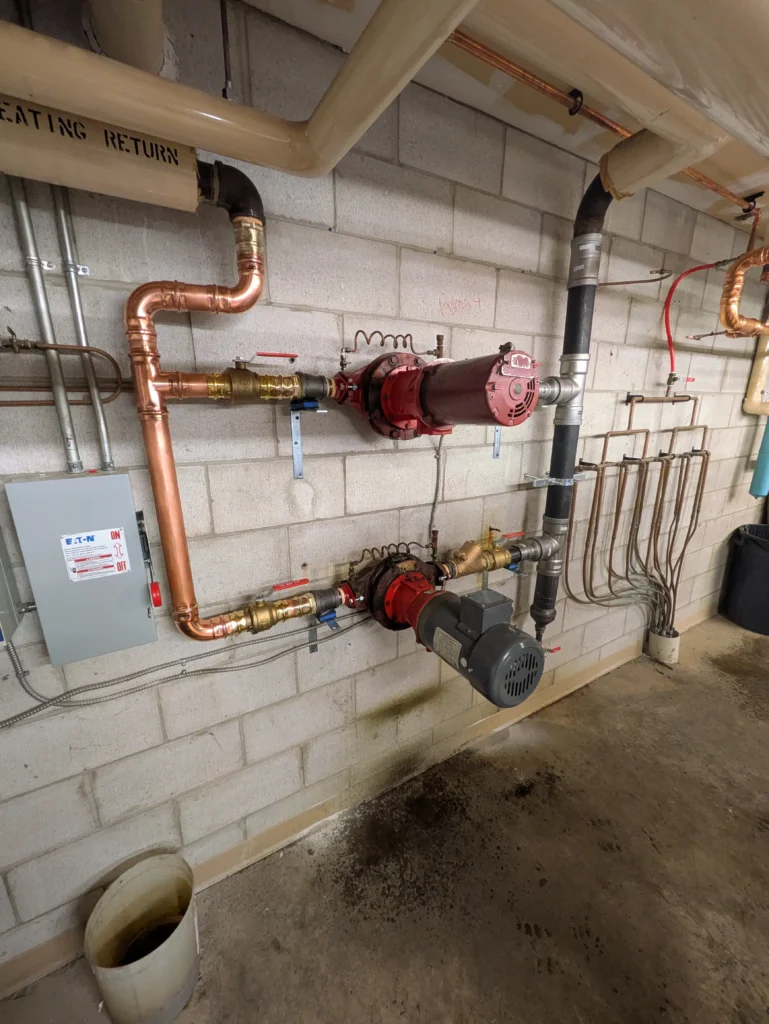
Depending on the system, circulation may rely on pumps, zone valves, controls, and properly balanced water flow. If one of those parts is not working correctly, the boiler may fire while a radiator, baseboard, or entire zone stays cold.
This is why replacing a boiler before diagnosing the rest of the hydronic system can be an expensive mistake.
When Should You Stop Troubleshooting?
Basic observation is useful. Repair work is different.
Stop troubleshooting and call for help if the issue involves gas, combustion, venting, repeated electrical trips, significant leaking, internal wiring, pressurized components, or anything you are not comfortable working around.
If you smell gas, leave the area and contact the gas utility or emergency services from a safe location. If a carbon monoxide alarm sounds, treat it as a safety issue rather than a normal heating-service call.
Does a Boiler That Stops Heating Need to Be Replaced?
No. A boiler not heating does not automatically mean you need a new boiler.
Depending on the system, a no-heat problem can involve controls, sensors, ignition components, pumps, valves, electrical issues, or other repairable parts. In other cases, the boiler’s condition, repeated failures, corrosion, safety concerns, or repair economics may make replacement the better decision.
The important part is getting the actual problem diagnosed before making that decision.
Paladin Mechanical provides boiler repair and hydronic heating service in Smithville and throughout the surrounding Hamilton-Niagara area. The goal is to explain what failed, what can reasonably be repaired, and when replacement actually makes more sense.
Key Takeaways
- Check whether the whole house is cold or only one heating zone.
- Confirm the thermostat is calling for heat and check the boiler breaker.
- Write down any error code before resetting the boiler.
- Observe visible leaks, pressure readings, and unusual noises, but do not open pressurized or combustion components.
- A cold zone can be a control or circulation problem even when the boiler itself is operating.
- No heat does not automatically mean the boiler needs to be replaced.
If your boiler is not heating properly, contact Paladin Mechanical to request service or get a second opinion on a repair or replacement recommendation.