The good news is that some causes of an AC not cooling are quick fixes you can safely check in a few minutes.
Others, like refrigerant leaks or electrical failures, need a licensed HVAC technician.Use this guide to troubleshoot common issues like AC blowing warm air, AC freezing up, thermostat settings, and a dirty filter,
and to know when it is time to call for professional help.
Quick checks you can do in 5 minutes
These checks are safe for most homeowners and business owners. If anything looks damaged, you smell burning, or you are unsure, stop and call a professional.
- Check thermostat settings
Make sure it is set to Cool and the temperature is set at least 2 to 3 degrees lower than the current room temperature.
Set the fan to Auto. If the system is not cooling properly, the fan set to On can make the space feel warmer. - Check the air filter
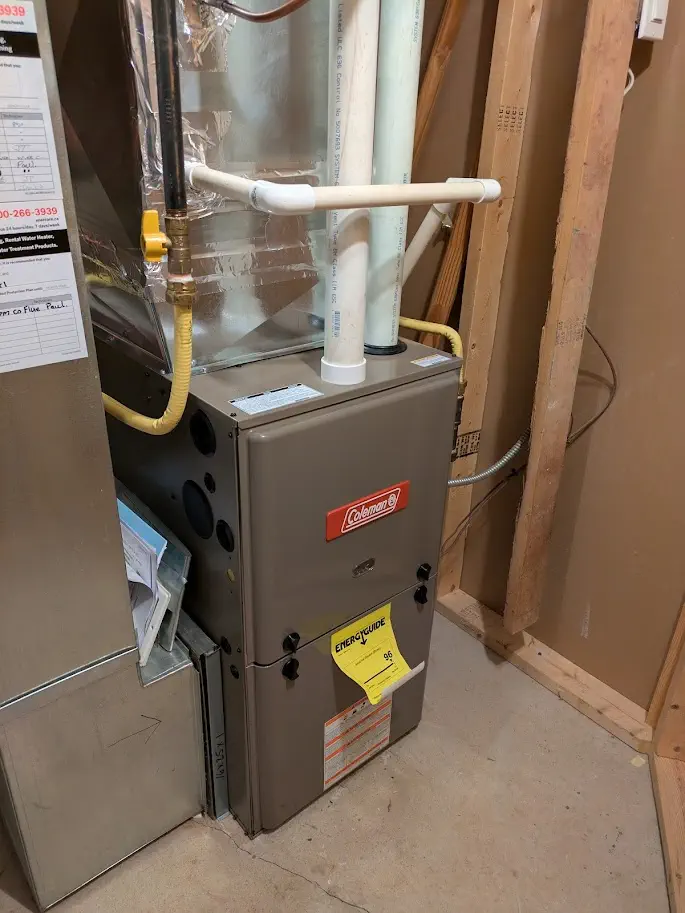
A dirty filter is one of the most common reasons airflow drops and the AC struggles. Replace it if it looks dusty or clogged.
Install it in the correct direction, with the arrow pointing toward the furnace or air handler. - Make sure vents and returns are open
Check that supply vents are not blocked by furniture and the return grille is not covered. Poor airflow can lead to weak cooling and icing. - Inspect the outdoor unit
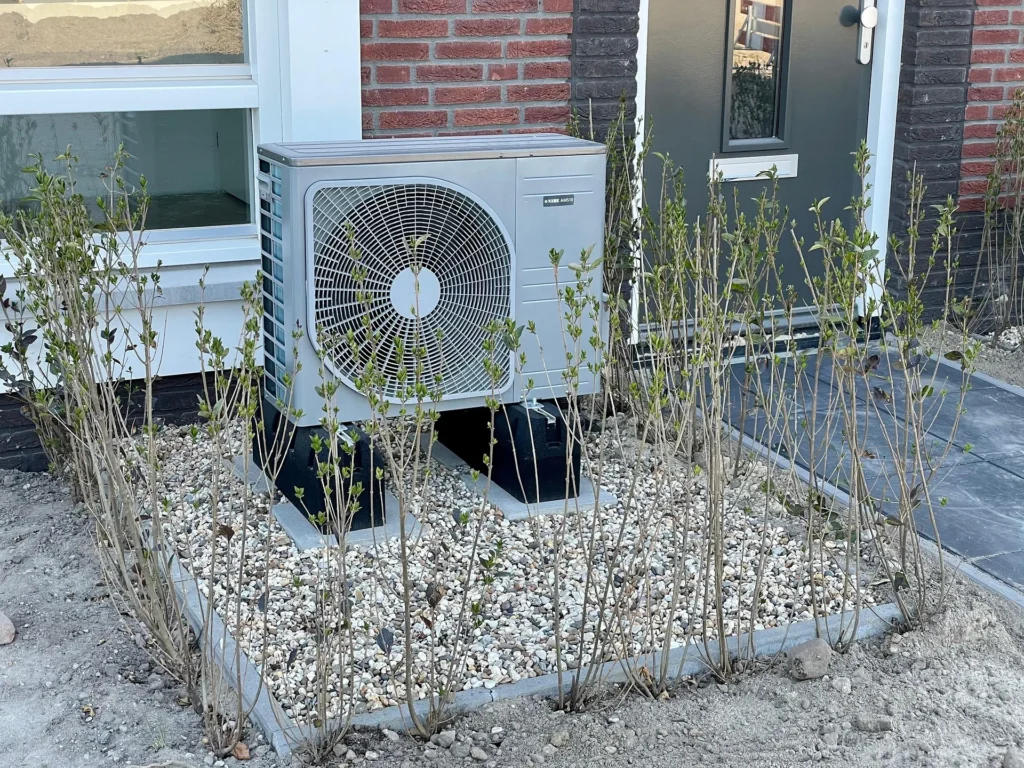
Clear leaves, grass clippings, and debris around the condenser. The outdoor unit needs airflow to release heat. - Look for ice or frost
If you see ice on the refrigerant lines or indoor coil area, turn the system off. Running an AC while it is frozen can cause damage.
Icing usually indicates an airflow issue or refrigerant problem. - Check for water near the furnace or air handler
Water pooling can indicate a clogged condensate drain. Turn the system off to prevent damage and call for service.
9 common reasons your AC is not cooling
1) Thermostat settings are wrong or the thermostat is not working properly
Incorrect settings, a schedule issue, or a failing thermostat can cause AC blowing warm air or prevent the system from reaching the set temperature.
If the thermostat reading does not match the room, it may need troubleshooting or replacement.
2) A dirty air filter is restricting airflow
A clogged filter reduces airflow, which can make the system run longer without cooling effectively. Low airflow can also contribute to AC freezing up.
If you have not replaced the filter recently, start there.
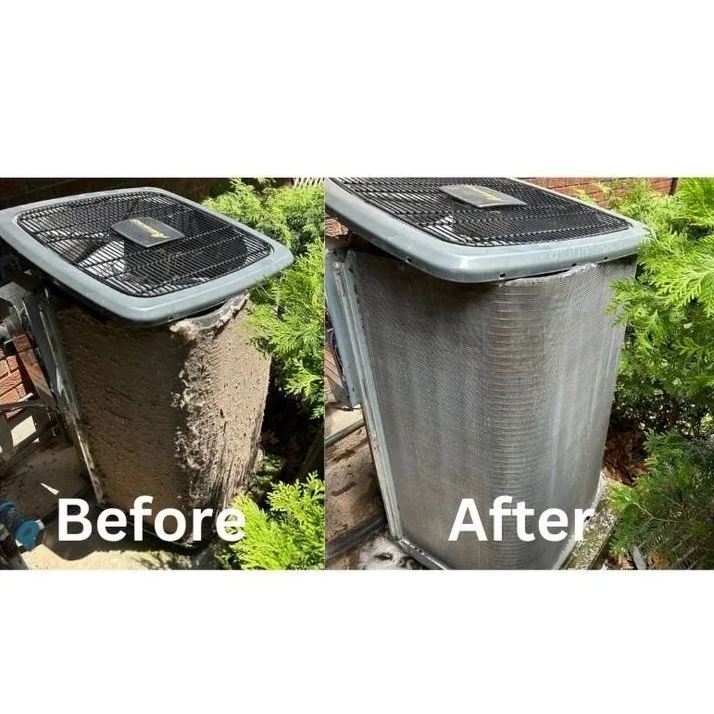
3) The outdoor unit is dirty or blocked
If the condenser coil is clogged with debris or the unit cannot breathe, it cannot release heat properly.
That leads to poor performance and an AC not cooling complaint.
4) The evaporator coil is frozen
Ice on the coil is a common reason an AC stops cooling. This is often caused by low airflow (dirty filter, blocked vents) or refrigerant issues.
If icing returns after replacing the filter and confirming vents are open, it is time for a technician.
5) Low refrigerant from a leak
Refrigerant does not get used up. If it is low, there is typically a leak that should be found and repaired before adding refrigerant.
Low refrigerant can reduce cooling and sometimes lead to icing.
6) A capacitor or electrical component is failing
Capacitors and contactors help your system start and run. When a capacitor is weak, you might see intermittent cooling, hard starts, or the outdoor unit not running correctly.
If breakers trip or the system struggles to start, shut it down and call for service.
7) The condenser fan motor is not working properly
If the fan is not moving enough air through the outdoor coil, the system cannot reject heat.
That can quickly lead to warm indoor air and poor performance.
8) A clogged condensate drain or safety switch shutoff
Many systems include safety switches that stop cooling if the drain is blocked, to prevent water damage.
If the AC turns on but does not cool, or shuts off unexpectedly, a drain issue may be the cause.
9) Airflow problems from ductwork issues or dirty coils
Sometimes the AC equipment is fine, but the air is not getting where it needs to go.
Duct leaks, disconnected duct runs, or dirty coils can reduce comfort and create hot spots, especially in older homes and commercial spaces.
When it is time to call a technician
If you notice any of the following, it is time to call an HVAC technician:
- Your AC is freezing up or ice keeps returning
- You suspect a refrigerant leak or cooling is getting worse over time
- Your breaker trips or the system will not start
- You smell burning or electrical odor
- The outdoor unit runs but the fan is not spinning
- Water is pooling near the furnace or air handler
- You did the quick checks and the AC is not cooling
If you need help in Smithville or the Hamilton Niagara Region, visit our air conditioning repair and maintenance
page to learn what we service and how we work.
If you are comparing repair vs replacement options, our AC repair and installation services
page is a good next step.
How to prevent the next breakdown
- Replace your filter regularly
Check monthly during peak cooling season and replace when it looks dirty. - Keep the outdoor unit clear
Maintain open space around the unit and keep debris away from the coil. - Do not close too many vents
Closing vents can create airflow problems and increase the risk of icing. - Schedule maintenance
Regular service helps catch issues early and improves performance during heat waves. - Pay attention to early warning signs
New noises, weaker airflow, uneven temperatures, or higher bills often show up before a breakdown.
Need help with AC repair, installation, or maintenance in Smithville?
If your AC is not cooling, is blowing warm air, freezing up, or you want a second opinion on repair vs replacement, our team can help.
Learn more about our air conditioning repair and maintenance services, or reach out now to get scheduled.