
Commercial HVAC maintenance is most useful when it helps a facility manager understand equipment condition, reduce avoidable interruptions, and plan work before every problem becomes an emergency.
The exact maintenance scope depends on the building, equipment, operating hours, access, and service agreement. A rooftop unit, boiler plant, split system, make-up air unit, and small office furnace do not need identical maintenance.
Summary
- Commercial HVAC maintenance should be matched to the actual equipment and operating needs of the site.
- A useful visit can include inspection, cleaning, testing, filter or belt work where applicable, drainage checks, controls, and identification of developing problems.
- Facility managers should receive clear communication about what was found, what is urgent, what can be planned, and what is simply being monitored.
- Maintenance cannot eliminate every breakdown, but it can improve visibility into equipment condition and recurring issues.
- The service relationship should make future decisions easier by preserving useful history instead of starting from zero on every call.
Maintenance Should Start With the Equipment List and Site Priorities
A commercial building may have several different HVAC systems serving areas with very different consequences if they fail.
A unit serving an office may have different operational importance from equipment serving a production area, server room, kitchen, event space, or other critical zone.
Facility managers should be able to identify which equipment matters most, what operating problems have occurred before, and whether there are access or scheduling restrictions that affect service.
What Might a Maintenance Visit Include?
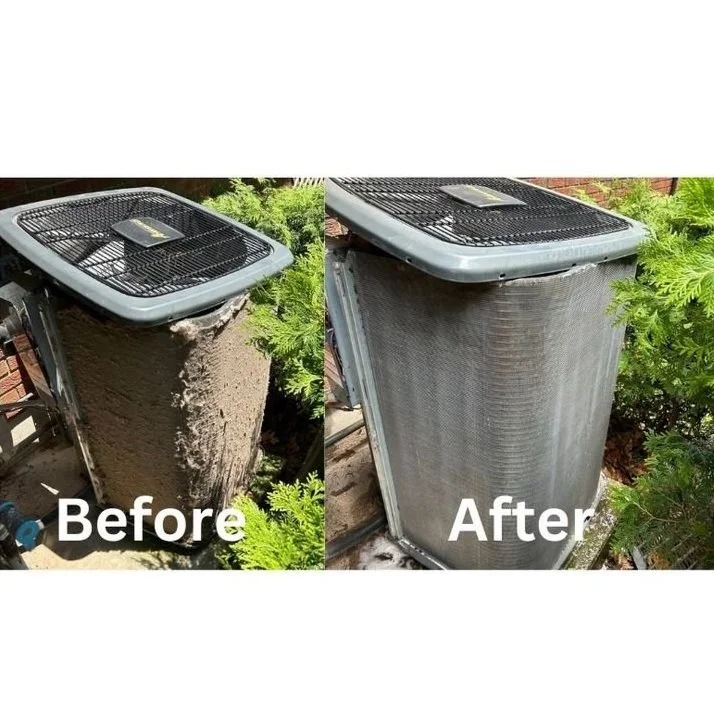
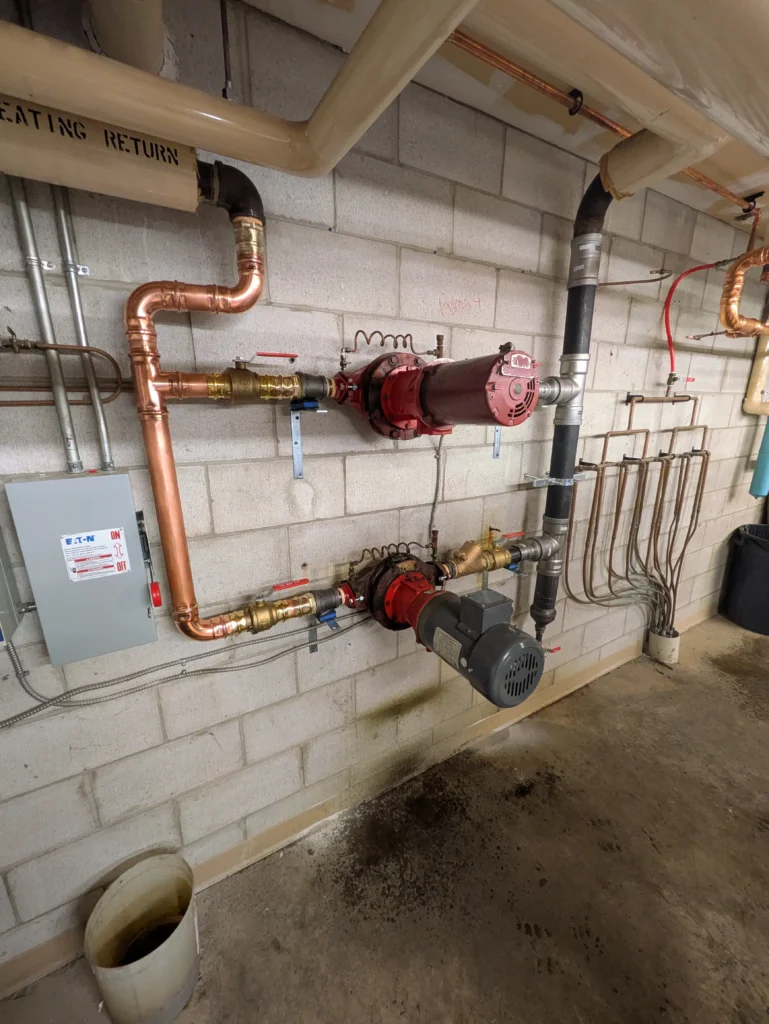
The scope can vary, but commercial maintenance may involve inspection or service of filters, belts, coils, drains, motors, bearings, electrical components, controls, thermostats, dampers, burners, ignition systems, venting, pumps, or other equipment-specific components.
Not every item belongs on every visit. The technician should work from the actual equipment and the agreed scope rather than treating every building as identical.
Paladin’s general HVAC maintenance information explains why maintenance scope can change by system and condition.
Good Reporting Separates Urgent Work From Planned Work
Facility managers need more than a list of observations. They need to know what requires action now, what can be scheduled later, and what should simply be monitored.
If a belt is worn, a drain is beginning to plug, a contactor is showing heat damage, or a rooftop unit has a recurring fault, the service note should explain the condition clearly enough to support a decision.
That helps avoid two common problems: deferring a real issue because the report is vague, or approving unnecessary work because every observation is presented as urgent.
Maintenance History Becomes More Valuable Over Time
A single inspection provides a snapshot. Repeated service can show patterns.
If the same motor, control, drain, belt, or refrigeration issue keeps returning, the history can help determine whether the problem is a component, an operating condition, a maintenance gap, or a larger equipment issue.
For aging equipment, service history also helps with replacement planning. A facility manager can make a better capital decision when there is a record of failures and condition concerns rather than relying on age alone.
Coordinate Service Around the Building’s Operation
Commercial HVAC work often has to fit around staff, customers, tenants, production, deliveries, events, or restricted access.
Good maintenance planning considers when equipment can be shut down, when roof access is available, whether occupants need notice, and whether a failure would have an unusual operational consequence.
For facilities in Hamilton-Niagara, seasonal planning can also help move work away from the first extreme heating or cooling day, when service demand can be high.
Maintenance Is Not the Same as a Guarantee
Mechanical equipment can still fail after it has been maintained. Motors, boards, compressors, sensors, valves, pumps, and other components do not provide advance notice in every case.
Maintenance is useful because it can identify some developing problems, support cleaner operation, and create better information for planning. It cannot make the building breakdown-proof.
What Facility Managers Should Expect From the Service Relationship
A practical commercial HVAC relationship should provide technical competence, clear communication, realistic recommendations, and continuity from one visit to the next.
Paladin Mechanical provides commercial HVAC diagnostics, repair, maintenance, and replacement support subject to equipment and project fit. The focus is on keeping systems operating, explaining findings clearly, and planning work without unnecessary upsell.
Key Takeaways
- Commercial maintenance should fit the site’s equipment and operating priorities.
- Service reporting should separate urgent items, planned work, and observations.
- Maintenance history helps identify recurring faults and supports capital planning.
- Scheduling and access are part of good commercial service, not an afterthought.
- Maintenance improves visibility and reliability planning, but it cannot prevent every failure.
If you manage a commercial property and want to discuss HVAC maintenance or recurring service needs, contact Paladin Mechanical.